







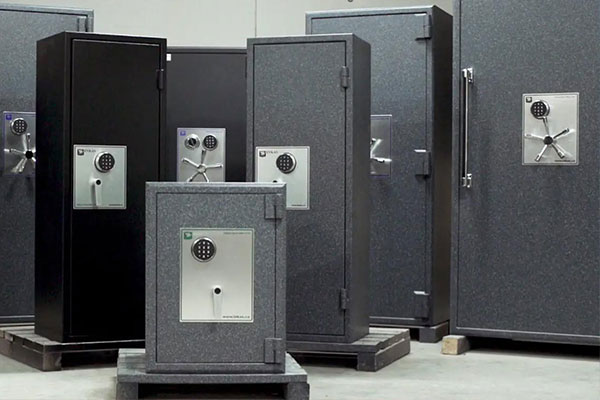
The Real Advantages of Biometric Safe Locks
Speed is the most immediate benefit. A quality biometric reader unlocks in roughly half a second, which matters when time is short, whether you need fast access to a firearm during an emergency or need to grab a passport before rushing out the door. There are no keys to fumble with and no combination to recall under stress. For gun owners in particular, the National Shooting Sports Foundation consistently emphasizes that fast, secure access and responsible storage should work together, and a well-rated biometric safe can support both goals.
Biometric locks also offer practical access control. You can enroll multiple fingerprints so a spouse or trusted family member can open the safe without a separate key or shared code. Key advantages include:
- No physical key to copy or lose
- No code that can be shared casually or forgotten
- Multiple fingerprints can be enrolled for trusted users
- Fast, one-touch access under stress or in low light
The Drawbacks Worth Knowing Before You Commit
Fingerprint readers can struggle with wet, dirty, or calloused fingers. A sensor that works flawlessly in a showroom may misread your print on a cold January morning in Northeast Indiana when your hands are dry and rough. Readers also depend on batteries, and a dead battery at the wrong moment means the safe will not open as expected. Most quality units include a backup key or keypad override, and you should confirm that option exists before purchasing any biometric model.
Electronic components are also more complex than a mechanical dial, which means more parts that can wear out over time. We have helped customers whose fingerprint readers stopped registering entirely after a few years of regular use. The sensor had degraded, and accessing the contents required professional help to avoid damaging the safe. Common failure points to watch for include:
- Sensor degradation from repeated use or environmental exposure
- Battery failure cutting off electronic access
- Circuit board malfunctions that mechanical locks simply do not have
How Biometric Locks Compare to Other Safe Lock Types
Traditional mechanical combination locks are extremely reliable over decades, require no power, and have no electronic components to fail. Electronic keypads offer fast access similar to biometric units but rely on a memorized code, which some users find easier to maintain consistently. Biometric locks sit at the intersection of speed and keyless access, which is their strongest selling point, but they carry electronic vulnerability that neither mechanical dials nor key-lock models share. Our post on choosing the right safe lock type for long-term reliability walks through how each mechanism holds up and when each one makes the most sense.
The Safe and Vault Technicians Association (SAVTA), of which All Around Locksmiths is a proud member, recommends evaluating any safe lock against three criteria: reliability over time, ease of authorized access, and resistance to unauthorized entry. Biometric locks score well on ease of access and perform reasonably on resistance, but present the most uncertainty on long-term reliability compared to mechanical alternatives.
Matching the Lock Type to Your Daily Routine
The right safe lock is the one that fits how your household actually behaves. If you open your safe multiple times a day and speed matters, a biometric option with a tested backup entry method is a reasonable fit. If you access it infrequently and want trouble-free performance over many years, a mechanical or electronic keypad lock may serve you better. Northeast Indiana’s wide seasonal range can stress both the safe body and its locking mechanism, so placement matters as much as the lock type. Our post on environmental conditions that affect safes over time covers this in more detail.
Whatever you choose, anchoring the safe is essential. A lightweight biometric box sitting unbolted on a shelf can be removed whole, bypassing even a reliable lock. We have covered why safe bolt-down installation matters for homes and offices, and it is a step too many buyers skip.
When to Call a Licensed Safe Technician
If your biometric safe is failing to read enrolled prints or refusing to open at all, do not force it. Drilling is a last resort. A trained technician can often resolve electronic safe failures without destroying the unit. We handle safe lock repair and unlocking for homeowners and businesses across Fort Wayne and Northeast Indiana, and we always work to restore access with as little disruption as possible. If a biometric component has failed beyond repair, replacing it with an electronic keypad or combination lock is a practical option that preserves the safe body you already own.
The Honest Bottom Line on Biometric Safe Locks
Biometric safe locks offer genuine convenience and fast access, but they are not a universally superior option. They work best when paired with a tested backup entry method, proper installation, and realistic expectations about electronic longevity. For households where keyless speed is the top priority, a quality fingerprint safe from a reputable manufacturer is a solid choice. For anyone who values decades of low-maintenance performance, a mechanical or electronic keypad lock remains hard to beat.
All Around Locksmiths has served Fort Wayne and Northeast Indiana since 1999. As a SAVTA member, we help with everything from safe selection and installation to lock repair and combination changes. If you want guidance on the right lock type or need help with a safe you already own, contact us today for help and we will find the right fit for your situation.